Controlling Violent Radical Vigilantism in Bangladesh
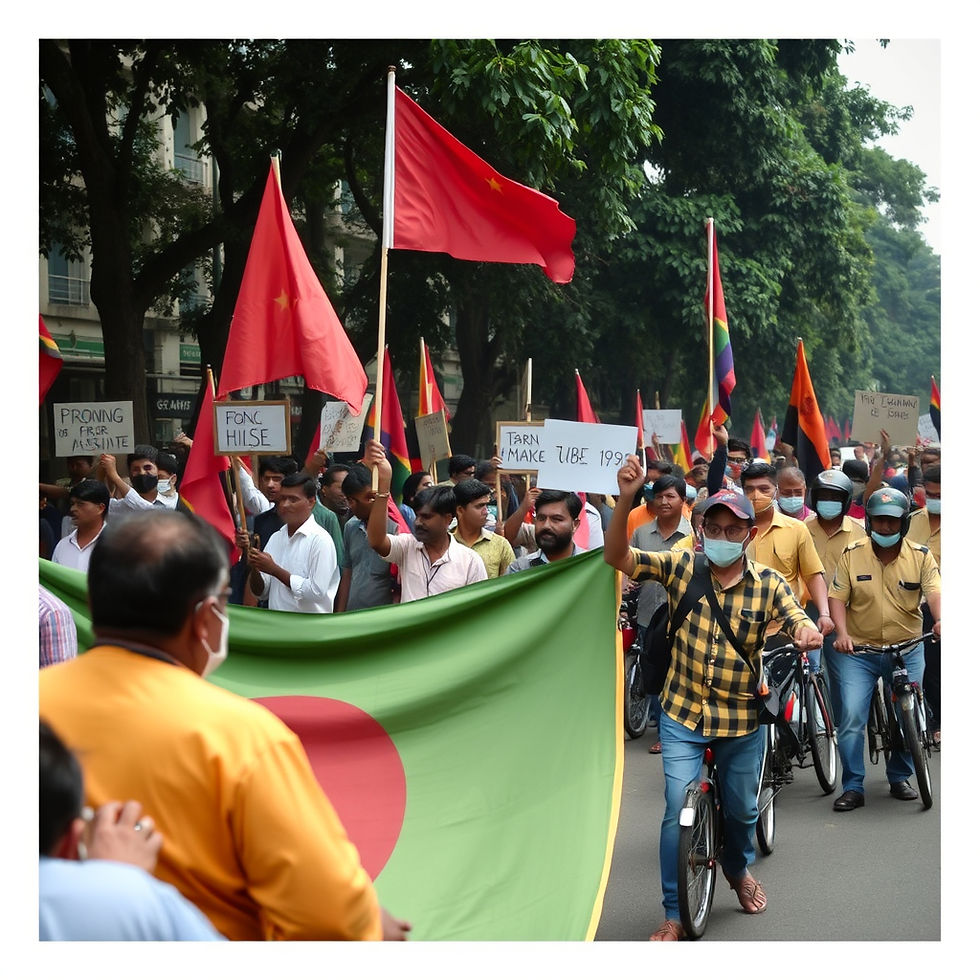
The assassination of Sharif Osman Hadi, spokesperson for Inqilab Moncho, is unequivocally condemnable. Although he and his associates have made inflammatory statements against their opponents, such actions do not justify his killing.
The subsequent surge in violence following Hadi's death also warrants strong condemnation. While emotional outbursts after the unnatural death of a popular leader are not uncommon in the South Asian context, particularly in Bangladesh, the violence following Hadi's assassination appears unusual. The deliberate targeting of specific institutions suggests the involvement of radical extremists, both internal and external, aiming to coerce these entities into submission.
The Indian High Commission, visa offices, and consulates were among the primary targets of the attackers.
Other targets included the offices of major media organizations such as The Daily Star and Prothom Alo in Kawran Bazar, Dhaka; Chhayanaut in Dhanmondi, which promotes Bengali culture; the residence of former education minister Mohibul Hasan Chowdhury Naufel of the Awami League; and Dhanmondi 32, the residence of Sheikh Mujibur Rahman, former leader of the party.
On December 19, the office of Udichi Shilpigoshthi in Dhaka, located opposite the National Press Club, was set on fire. Bangladesh Udichi Shilpigoshthi was established in East Pakistan in 1968 by revolutionary novelists Satyen Sen and Ranesh Das Gupta, along with numerous youths. The organization conducted a cultural campaign through 1971, and its members participated in the struggle for independence at the onset of the Bangladesh Liberation War.
The pattern of targeted institutions allows for preliminary identification of the perpetrators' ideology and intent; however, comprehensive investigations are required to reach definitive conclusions.
Given the current volatile situation in Bangladesh, it is evident that radical conservative Islamist groups and anti-India forces are responsible for these attacks.
The government must not remain passive in response to the targeted violence perpetrated by specific groups and should provide enhanced security to the affected institutions and individuals, for this is designed to reduce space for non extremist expression.
Controlling violent radical vigilantism assumes importance which is also in many ways linked to external state and non state entities.


Comments